If your water heater is leaking, producing less hot water, or becoming expensive to repair, replacement may be the better long-term option. But before scheduling the work, most homeowners want to know one thing: How much does water heater replacement cost?
In the San Francisco Bay Area, homeowners can generally expect to spend approximately 1,500–4,000 for a conventional tank water heater replacement. Tankless water heater installations may range from approximately 3,150–7,050+, while heat pump water heater installations can fall around 2,900–5,550+.
Your actual price depends on the water heater, installation location, plumbing configuration, fuel source, permits, and whether additional gas, electrical, venting, or code-related work is required. Contact Sequoia Plumbing & Mechanical at (650) 880-6339 for an estimate based on your specific water heater replacement project.
Average Water Heater Replacement Cost
The type of water heater you choose has a major impact on the total replacement price.
| Water Heater Type | Estimated Installed Cost |
| Electric tank water heater | 1,150–1,900+ |
| Gas tank water heater | 1,350–2,150+ |
| Large-capacity tank | 2,150–3,550+ |
| Heat pump water heater | 2,900–5,550+ |
| Tankless water heater | 3,150–7,050+ |
A straightforward replacement using equipment similar to the existing water heater will generally cost less than a project requiring substantial modifications.
For example, replacing a 50-gallon gas water heater with another compatible gas model may require relatively minor changes. Converting that same home to a tankless or heat pump water heater could require additional gas, electrical, venting, drainage, or plumbing work.
What Affects Water Heater Replacement Cost?
The water heater itself is only one part of the total project price. Installation conditions can significantly change the final cost.
1. Type of Water Heater
Traditional tank water heaters generally have lower upfront replacement costs than tankless or heat pump models.
Switching technologies can increase the initial investment because the home’s existing plumbing and utilities may need to be modified.
2. Water Heater Size
Larger-capacity water heaters generally cost more than smaller models. Household hot-water demand should be considered when choosing a replacement rather than simply selecting the least expensive unit.
Proper sizing helps ensure the new water heater can provide enough hot water without unnecessarily increasing equipment and operating costs.
3. Gas or Electric System
Gas and electric water heaters have different installation requirements.
Gas systems may require modifications to gas piping or venting. Electric systems may require electrical work, and converting from gas to a heat pump water heater can sometimes require a new dedicated circuit or electrical upgrades.
4. Installation Location
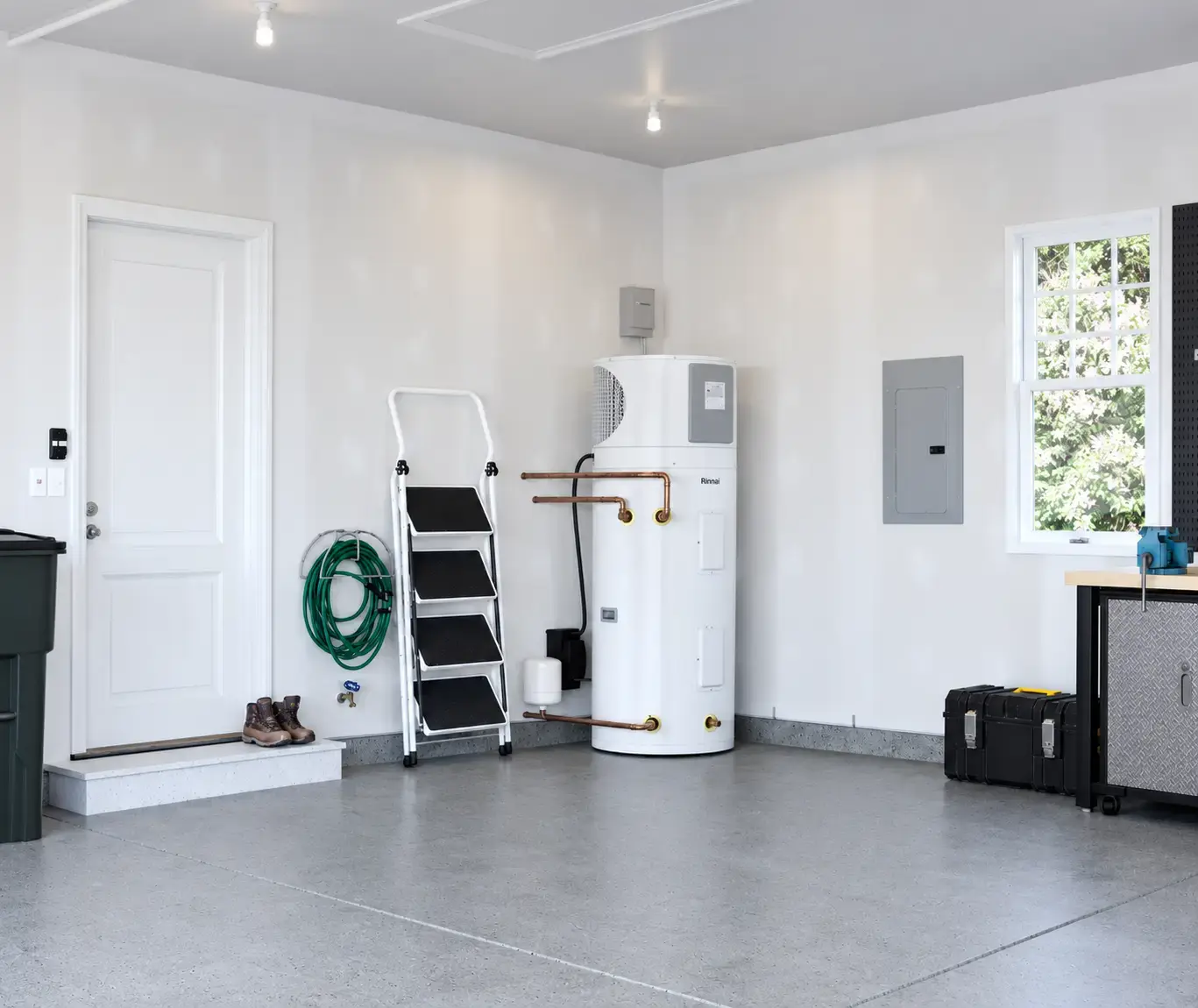
A water heater located in an accessible garage may be easier and less expensive to replace than equipment installed in a tight closet or difficult mechanical area.
Limited access, stairs, narrow openings, or relocation of the water heater can increase labor requirements.
5. Plumbing Modifications
The connections on a new water heater may not perfectly match the existing installation.
Water lines, shutoff valves, drain lines, expansion tanks, pressure-relief piping, and other components may need to be replaced or modified during installation.
6. Permits and Code Requirements
Water heater replacements must comply with applicable California and local building codes. Depending on the property and installation, requirements may include permits, inspections, seismic strapping, proper venting, approved plumbing connections, drainage, and other safety measures.
Requirements can vary by city and by the type of water heater being installed. Sequoia Plumbing & Mechanical can evaluate the existing installation and determine what may be required for the replacement project.
7. Removal of the Old Water Heater
The existing water heater must be disconnected, removed, and properly disposed of.
Larger tanks or units installed in difficult-to-access areas can require additional labor.
Standard Tank Water Heater Replacement Cost
Conventional storage-tank water heaters remain a common replacement option, particularly when the home already has a compatible tank system.
A standard 40–50 gallon electric water heater may cost approximately 1,150–1,900 installed, while a comparable gas water heater may cost approximately 1,350–2,150.
Larger-capacity systems and more complicated installations can reach 3,000–4,000 or more.
A tank replacement may remain toward the lower end of the range when:
- The new unit is similar to the existing water heater
- Plumbing connections are in good condition
- Existing gas or electrical connections are adequate
- Venting can be reused where appropriate
- The installation location is easily accessible
- Major code-related modifications aren’t necessary
If you’re considering a conventional replacement, learn more about Sequoia’s water heater replacement and installation services.
Tankless Water Heater Replacement Cost
Tankless water heaters typically have a higher upfront installation cost than conventional storage tanks.
In the Bay Area, homeowners can generally budget approximately 3,150–7,050+ for tankless water heater installation, depending on the equipment and complexity of the project.
The price can increase when converting from a conventional tank because the project may require:
- Gas-line upgrades
- New venting
- Electrical connections
- Plumbing modifications
- Condensate drainage
- Isolation valves
- New equipment mounting
- Removal of the existing tank
Replacing an existing tankless unit with another compatible model may require fewer modifications than converting from a traditional tank.
For a more detailed cost breakdown, read Sequoia’s Tankless Water Heater Cost Guide.
You can also explore tankless water heater installation.
Heat Pump Water Heater Replacement Cost
Heat pump water heaters offer another option for Bay Area homeowners, particularly those interested in high-efficiency electric water heating.
A heat pump water heater installation may cost approximately 2,900–5,550+, although projects requiring significant electrical or plumbing modifications can exceed this range.
The final cost can depend on:
- Water heater capacity
- Electrical requirements
- Existing fuel source
- Installation space
- Available airflow
- Condensate drainage
- Plumbing modifications
- Removal of existing equipment
- Permit requirements
Converting an existing gas water heater to a heat pump model can involve more work than replacing an existing compatible electric system.
Some qualifying heat pump water heater installations may also be eligible for rebates or incentives. Programs and eligibility requirements change, so homeowners should confirm current incentives before making purchasing decisions.
Learn more about heat pump water heater installation.
Water Heater Replacement Cost by Project Type
Another useful way to estimate the cost is to consider the type of replacement being performed.
| Replacement Project | General Cost Level |
| Electric tank → electric tank | Lower |
| Gas tank → gas tank | Lower–Moderate |
| Larger-capacity tank replacement | Moderate |
| Existing tankless → new tankless | Moderate–Higher |
| Tank → tankless conversion | Higher |
| Tank → heat pump conversion | Moderate–Higher |
The more closely the replacement equipment matches the existing installation, the fewer modifications may be necessary.
Is It Cheaper to Repair or Replace a Water Heater?
Repairing a water heater is usually cheaper than replacing it in the short term. However, repair isn’t always the better financial decision.
Replacement may make more sense when:
- The water heater is older
- The storage tank is leaking
- Corrosion is developing
- Repairs are becoming frequent
- Hot-water capacity has decreased
- A major component has failed
- Repair costs are becoming substantial
- The existing system no longer meets household demand
For example, spending money on a significant repair may not make sense if an aging tank is already showing corrosion or other signs of deterioration.
A newer water heater with an isolated repairable problem may still have years of useful service remaining. The system should be properly diagnosed before deciding whether to repair or replace it.
Should You Replace Your Water Heater Before It Fails?
Waiting for complete failure can turn a planned replacement into an urgent situation.
Consider planning ahead if your water heater is showing signs such as:
- Recurring repair problems
- Water around the tank
- Visible corrosion
- Inconsistent water temperature
- Reduced hot-water capacity
- Unusual noises
- Longer recovery times
- Declining overall performance
Planning the replacement in advance gives you time to compare equipment, costs, efficiency, warranties, and installation requirements.
It also allows you to consider whether staying with a conventional tank or upgrading to tankless or heat pump technology makes the most sense for your home.
How Much Should You Budget for Water Heater Replacement?
For preliminary budgeting in the San Francisco Bay Area, homeowners can use the following ranges:
Standard tank replacement: approximately 1,500–4,000
Tankless water heater installation: approximately 3,150–7,050+
Heat pump water heater installation: approximately 2,900–5,550+
These ranges aren’t fixed prices. A simple replacement may cost less, while a complex installation requiring plumbing, electrical, gas, venting, or other modifications can cost considerably more.
The best way to determine the actual cost is to evaluate the existing system and installation conditions.
Can a More Expensive Water Heater Save Money Long Term?
Upfront replacement cost shouldn’t be the only factor considered when comparing water heaters.
A less expensive conventional tank may have the lowest initial cost, while a higher-efficiency system could potentially reduce energy consumption over its operating life.
When comparing options, consider:
- Initial equipment cost
- Installation cost
- Expected energy consumption
- Maintenance requirements
- Expected service life
- Household hot-water demand
- Available rebates or incentives
The best choice isn’t necessarily the cheapest water heater or the most expensive one. It is the system that appropriately balances installation cost, performance, efficiency, and your household’s needs.
Get a Water Heater Replacement Estimate
Online cost ranges are useful for planning, but your actual water heater replacement cost depends on the equipment and your home’s installation requirements.
Sequoia Plumbing & Mechanical can evaluate your current water heater, discuss replacement options, and determine what is required for the installation.
Call (650) 880-6339 or learn more about water heater replacement and installation.
Water Heater Replacement Cost FAQs
How much does it cost to replace a water heater in the Bay Area?
A conventional tank water heater replacement can generally cost approximately 1,500–4,000, depending on equipment and installation requirements. Tankless and heat pump systems usually have higher upfront costs.
How much does a 50-gallon water heater replacement cost?
A standard 40–50 gallon electric water heater may cost approximately 1,150–1,900 installed, while a comparable gas model may cost around 1,350–2,150. More complicated installations can cost more.
How much does a tankless water heater cost to install?
Bay Area homeowners can generally budget approximately 3,150–7,050+. Converting from a conventional tank can increase costs because gas, venting, electrical, plumbing, or drainage modifications may be required.
How much does a heat pump water heater cost?
A heat pump water heater installation may cost approximately 2,900–5,550+. Electrical upgrades, plumbing modifications, condensate drainage, capacity, and installation conditions can affect the final price.
What makes water heater replacement more expensive?
Common factors include larger equipment, difficult access, plumbing modifications, electrical upgrades, gas-line work, new venting, permits, code requirements, and converting to a different type of water heater.
Is it worth replacing an old water heater?
Replacement can make sense when an older water heater requires frequent repairs, has a leaking or deteriorated tank, provides insufficient hot water, or would require an expensive repair.
How do I know my exact water heater replacement cost?
An accurate estimate requires evaluating the existing equipment, plumbing, installation location, fuel source, hot-water demand, and any gas, electrical, venting, or code-related modifications needed for the new system.