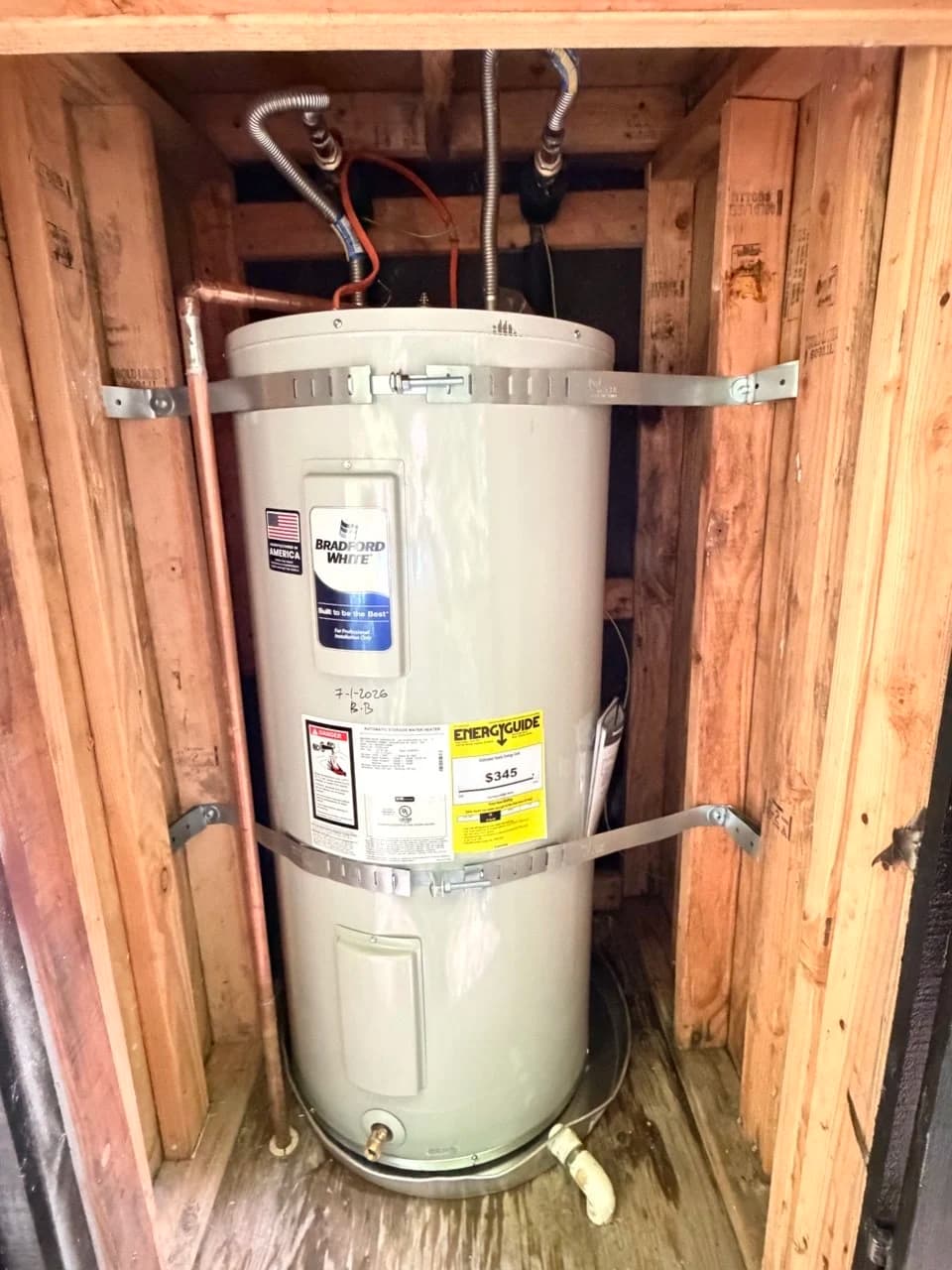
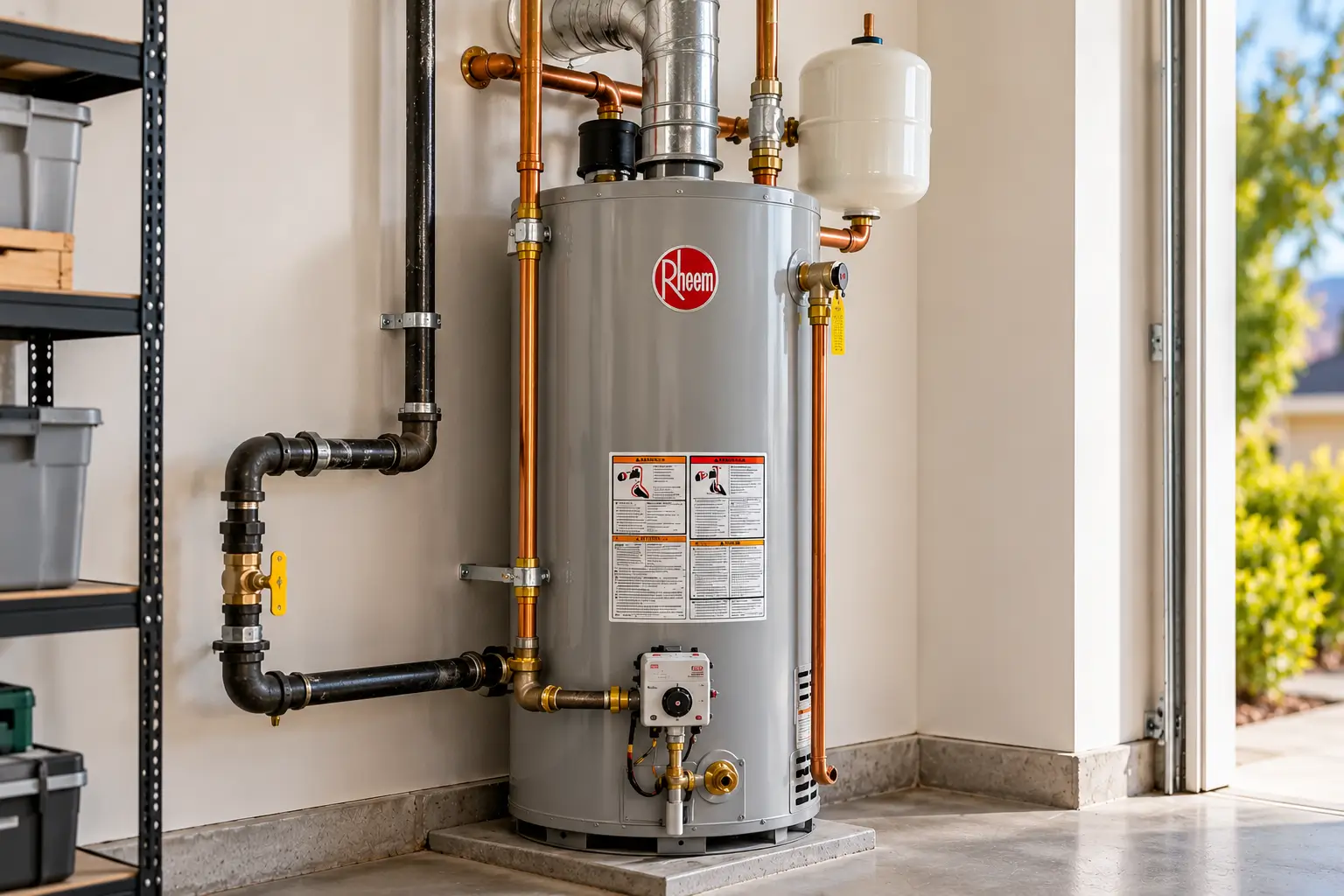
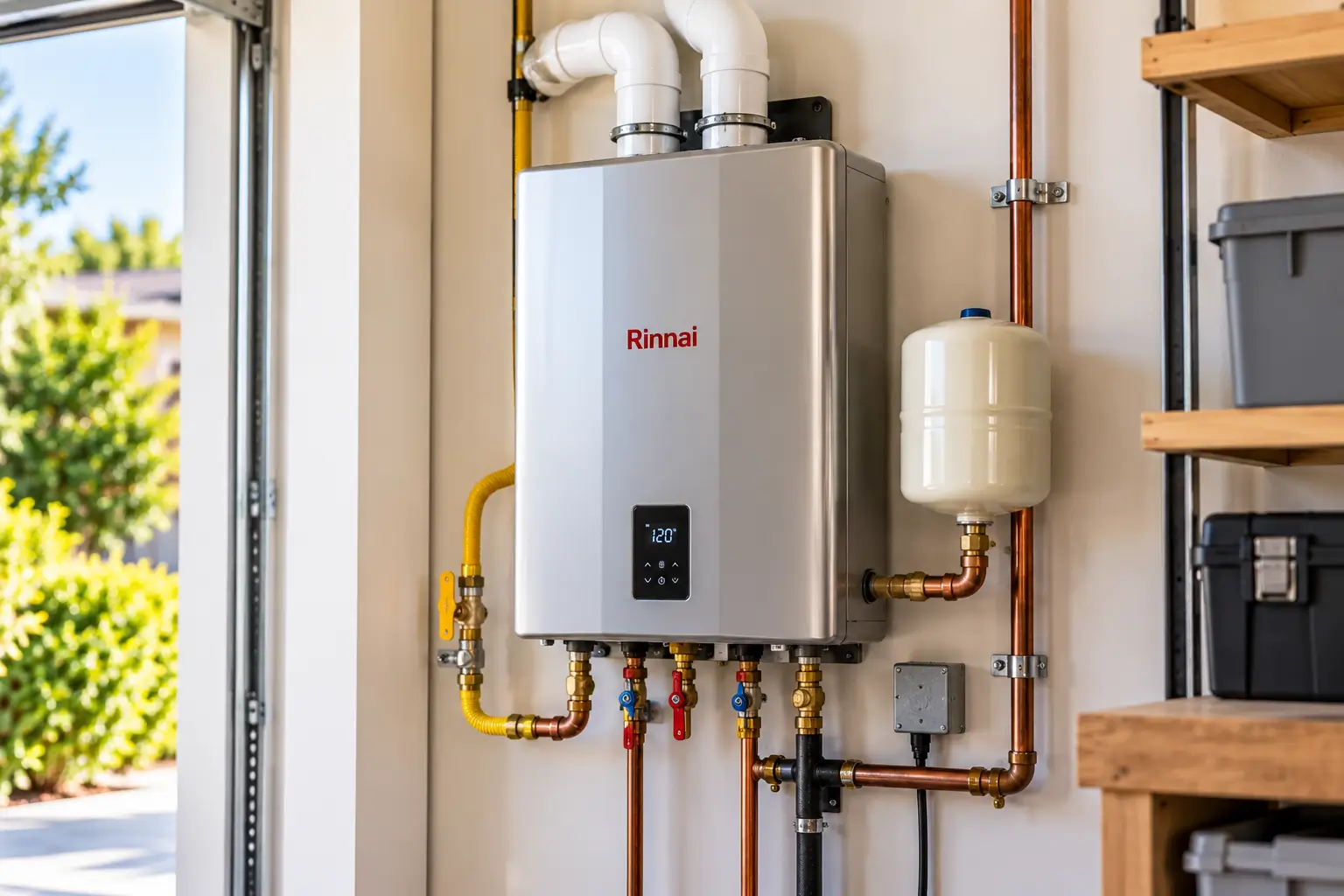
Regular water heater maintenance involves more than checking whether the unit still produces hot water. Components can wear, connections can begin leaking, and minerals can gradually accumulate inside the tank without immediately causing an obvious problem.
Sequoia Plumbing & Mechanical provides professional inspections and maintenance based on the type, age, and condition of your water heater. When appropriate for the system, maintenance can include water heater flushing to remove accumulated sediment from the bottom of the tank.
Our water heater maintenance service may include:
- Visual inspection of the water heater
- Checking for leaks and corrosion
- Inspection of accessible water connections
- Temperature and operating checks
- Temperature and pressure relief valve evaluation
- Inspection of applicable gas or electrical components
- Burner and ignition inspection for applicable gas models
- Checking accessible venting components
- Water heater flushing when appropriate
- Sediment removal from tank-style systems
- Evaluation of unusual noises or performance changes
- Recommendations for repairs when problems are discovered
Regularly servicing a hot water tank gives homeowners an opportunity to identify developing issues before they become more disruptive.
Benefits of Regular Water Heater Maintenance
Your water heater works throughout the year to provide hot water for showers, laundry, dishes, cleaning, and other everyday needs. Over time, normal operation can lead to sediment accumulation, component wear, corrosion, and changes in system performance.
Regular hot water maintenance helps keep the system in better operating condition and gives a technician an opportunity to identify potential problems early. A consistent maintenance schedule can be especially valuable for older water heaters or homes with mineral-rich water.
Benefits of professional maintenance can include:
- Helping maintain reliable hot water
- Removing accumulated sediment when flushing is appropriate
- Identifying leaks before they become larger problems
- Detecting corrosion and worn components
- Helping maintain efficient heat transfer
- Reducing unnecessary strain on the water heater
- Identifying developing repair needs
- Helping extend equipment service life
- Reducing the likelihood of unexpected breakdowns
Water heater preventive maintenance cannot prevent every equipment failure, but it can help reduce problems caused by neglected components and accumulated sediment.
Water Heater Flushing: What It Is & Why It Matters
Water heater flushing is a maintenance procedure used to help remove sediment that can accumulate at the bottom of a tank-style water heater. Minerals and other material naturally present in the water supply can settle inside the tank over time.
As this layer becomes heavier, it can interfere with heat transfer, contribute to popping or rumbling noises, and place additional strain on the water heater. Periodic flushing, when appropriate for the equipment and its condition, can help remove this material and keep the tank cleaner.
The basic process generally involves:
- Evaluate the water heater – The system is inspected to determine its condition and whether flushing is appropriate.
- Safely shut down the unit – The water heater’s energy source and water supply are controlled as required.
- Drain and flush the tank – Water is used to help carry accumulated sediment out through the drain connection.
- Refill the system – The tank is properly refilled after flushing.
- Return the heater to service – The system is restarted and checked for normal operation.
Flushing isn’t automatically appropriate for every older or severely deteriorated water heater. The condition of the tank and drain components should be considered before service is performed.