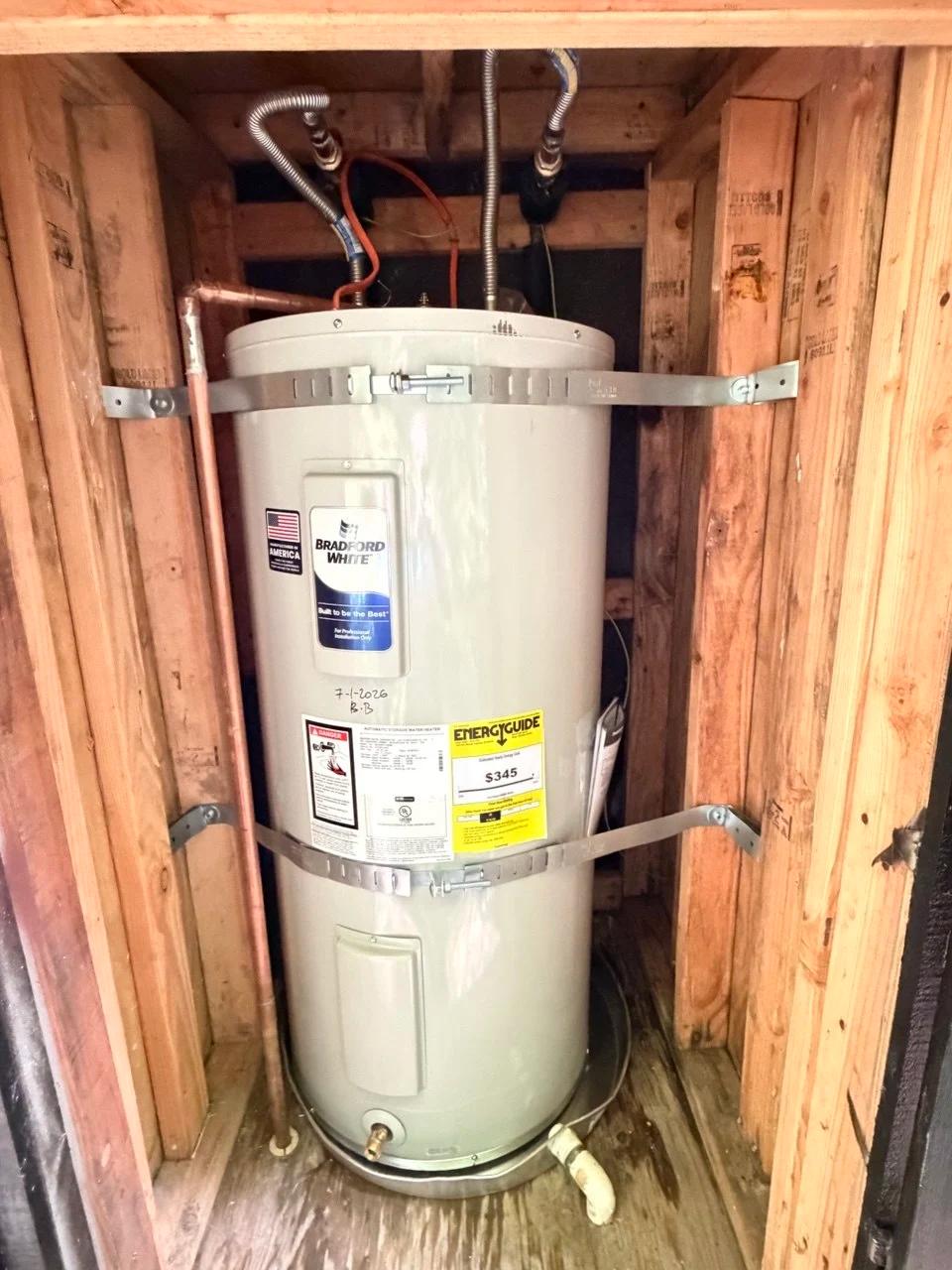
Common Water Heater Problems in the San Francisco Bay Area
A reliable water heater is essential for everyday comfort, from taking a hot shower to washing dishes and doing laundry. But when your water heater stops producing enough hot water, starts leaking, or makes unusual noises, even simple household tasks can become frustrating.
Homeowners throughout the San Francisco Bay Area experience water heater problems caused by aging equipment, sediment buildup, worn components, and improper maintenance. Local water conditions and frequent use can also affect how efficiently a water heater operates.
Understanding the warning signs can help you identify problems early and avoid unexpected breakdowns. Whether you have a traditional tank, tankless, or heat pump water heater, Sequoia Plumbing & Mechanical provides professional water heater repair throughout San Mateo County and surrounding San Francisco Bay Area communities.
1. Water Heater Not Producing Hot Water
One of the most common water heater problems is having no hot water at all.
For traditional tank water heaters, possible causes include:
- Failed electric heating elements
- Faulty thermostats
- Gas supply or ignition problems
- Malfunctioning gas control valves
- Tripped circuit breakers
- Damaged electrical connections
Gas and electric water heaters require different diagnostic procedures. For example, an electric unit may stop heating because of a failed heating element, while a gas water heater may have an ignition or burner problem.
What to do: Check whether other appliances have power or gas service, but avoid opening electrical compartments or attempting gas component repairs. A licensed plumber can identify the cause and recommend the appropriate solution.
2. Not Enough Hot Water
Does your shower turn cold too quickly? Running out of hot water can indicate a problem with your water heater’s heating capacity or internal components.
Common causes include:
- Sediment buildup inside the tank
- Incorrect thermostat settings
- A failing heating element
- An undersized water heater
- Excessive simultaneous hot water demand
- Aging equipment losing efficiency
If your household has grown or your hot water needs have increased, your existing water heater may no longer provide enough capacity.
A plumber can determine whether a repair, adjustment, or larger water heater would better meet your household’s needs.
3. Water Heater Leaking
Water around your water heater should never be ignored. Even a small leak can lead to moisture damage, mold growth, and unexpected equipment failure.
Leaks may originate from:
- Loose plumbing connections
- Corroded fittings
- A leaking drain valve
- A malfunctioning temperature and pressure relief valve
- Internal tank corrosion
- Damaged water supply lines
A leak from a connection or valve may be repairable. However, water leaking directly from a corroded tank usually means the water heater needs replacement.
If your unit is approaching the end of its service life, professional water heater replacement may be more cost-effective than repeated repairs.
What to do: If you notice active leaking, avoid using the equipment and contact a licensed plumber. If safe, shut off the water supply to the unit and follow the manufacturer’s instructions for shutting down the heater.
4. Strange Noises Coming From the Water Heater
Popping, rumbling, crackling, or banging sounds from a traditional tank water heater often indicate sediment accumulation.
Over time, minerals naturally present in water settle at the bottom of the tank. When sediment collects around the heating surface, trapped water can produce unusual noises as it heats.
Sediment buildup may also cause:
- Reduced heating efficiency
- Longer heating cycles
- Higher energy consumption
- Uneven water temperatures
- Additional wear on heating components
Water hardness varies across the San Francisco Bay Area depending on the local water supplier and source. Homes with higher mineral content may experience sediment accumulation more quickly.
Routine water heater maintenance and flushing can help remove accumulated sediment and maintain efficient operation.
For many tank water heaters, an annual maintenance inspection is a useful starting point, although flushing frequency should follow manufacturer recommendations and local water conditions.
5. Water Temperature Too Hot or Inconsistent
Sudden changes in water temperature can make showers uncomfortable and may indicate a malfunctioning water heater.
Possible causes include:
- Faulty thermostats
- Malfunctioning heating elements
- Sediment affecting heat transfer
- Defective mixing valves
- Problems with temperature sensors
- Inconsistent water flow
Water that becomes excessively hot can also create a scalding hazard, especially for children and older adults.
If your water temperature fluctuates frequently, professional diagnostics can help determine whether the problem is inside the water heater or elsewhere in the plumbing system.
6. Rusty or Discolored Hot Water
Brown, reddish, or cloudy hot water may indicate corrosion, mineral deposits, or deterioration inside the plumbing system.
Common causes include:
- A deteriorated anode rod
- Corrosion inside the water heater tank
- Rusting hot water pipes
- Sediment accumulation
- Changes in the water supply
If discoloration occurs only when using hot water, the water heater or hot water piping may be responsible.
If both hot and cold water are discolored, the issue may originate from the building’s plumbing or municipal water supply.
A plumber can inspect the system, evaluate the anode rod, and determine whether maintenance or replacement is necessary.
7. Low Hot Water Pressure
Weak hot water pressure can make showers, sinks, and other fixtures difficult to use.
Potential causes include:
- Mineral buildup in pipes
- Sediment restricting water flow
- Partially closed valves
- Clogged faucet aerators
- Deteriorating plumbing connections
- Restrictions inside the water heater
If only one faucet has low pressure, the problem may be limited to that fixture. If hot water pressure is low throughout the property, the water heater or hot water distribution system may need inspection.
Professional diagnostics can identify the restriction without unnecessary repairs.
8. Tankless Water Heater Problems
Tankless water heaters heat water on demand rather than storing it in a large tank. Although these systems can provide efficient hot water, they still require regular service.
Common tankless water heater problems include:
- No hot water
- Fluctuating water temperatures
- Error codes
- Ignition failures
- Mineral scale buildup
- Reduced water flow
- Blocked intake or exhaust vents
- Heat exchanger problems
Mineral scale is particularly important because it can restrict water flow and reduce heat transfer inside the heat exchanger.
Tankless water heaters may require periodic descaling, filter cleaning, and inspection of combustion or electrical components.
Sequoia Plumbing & Mechanical provides professional tankless water heater diagnostics, repairs, and maintenance to help keep these systems operating reliably.
9. Heat Pump Water Heater Problems
Heat pump water heaters use electricity to transfer heat from the surrounding air into stored water. They can offer significant energy savings, but their operating characteristics differ from conventional electric water heaters.
Common problems include:
- Insufficient hot water
- Longer recovery times
- Heat pump compressor issues
- Faulty temperature sensors
- Fan or airflow restrictions
- Condensate drainage problems
- Error codes
- Problems with backup heating elements
Because heat pump water heaters rely on surrounding air, installation conditions, ventilation, and ambient temperature can affect performance.
A professional inspection can determine whether the issue involves airflow, electrical components, refrigerant-related equipment, or the water heater’s controls.
10. Water Heater Keeps Turning Off
A water heater that repeatedly shuts down may have a safety control or operating problem.
Possible causes include:
- Overheating
- Faulty thermostats
- Electrical interruptions
- Ignition failures
- Blocked combustion air supply
- Malfunctioning safety sensors
- Internal component failure
Repeated shutdowns should not be ignored. Safety controls are designed to protect the equipment and occupants from potentially dangerous operating conditions.
Avoid repeatedly resetting a malfunctioning water heater without identifying the underlying cause.
When Should You Repair or Replace Your Water Heater?
Not every water heater problem requires replacing the entire unit.
A repair may be the better option when:
- The water heater is relatively new.
- The tank is structurally sound.
- The problem involves a replaceable component.
- Repair costs are reasonable compared with replacement.
- The unit has been properly maintained.
Replacement may be more practical when:
- The tank is leaking due to internal corrosion.
- The water heater requires frequent repairs.
- The system no longer meets your hot water needs.
- Major components have failed.
- The unit is nearing the end of its expected service life.
Traditional tank water heaters often last approximately 8–12 years, while tankless systems may last 20 years or longer with appropriate maintenance. Actual lifespan varies based on water quality, usage, installation, and equipment condition.
A licensed plumber can evaluate your water heater and explain whether repairing or replacing it makes better financial sense.
How to Prevent Common Water Heater Problems
Preventive maintenance can help reduce unexpected breakdowns, improve efficiency, and extend the useful life of your equipment.
Homeowners should consider these maintenance practices:
- Schedule periodic professional water heater inspections.
- Flush tank water heaters when recommended by the manufacturer.
- Inspect the anode rod and replace it when necessary.
- Check visible plumbing connections for leaks.
- Monitor unusual noises and temperature changes.
- Keep the area around the water heater accessible.
- Maintain tankless systems according to manufacturer guidelines.
- Have heat pump water heater air filters and condensate systems inspected.
- Address small problems before they become major failures.
Regular maintenance is especially valuable for older water heaters and systems exposed to mineral-heavy water.
Professional Water Heater Services in the San Francisco Bay Area
Sequoia Plumbing & Mechanical provides comprehensive water heater services for residential and commercial properties throughout San Mateo County and the surrounding San Francisco Bay Area.
Our licensed plumbers diagnose and service traditional tank, tankless, and heat pump water heaters. Whether you’re dealing with a leaking tank, inconsistent temperatures, sediment buildup, or a complete loss of hot water, we help identify the problem and recommend an effective solution.
As a California-licensed plumbing contractor (CSLB #1155226), Sequoia Plumbing & Mechanical focuses on professional diagnostics, dependable workmanship, and clear recommendations.
Need Help? Schedule Water Heater Repair
Don’t wait for a small water heater problem to turn into a major breakdown. If your water heater is leaking, making unusual noises, or failing to deliver reliable hot water, Sequoia Plumbing & Mechanical is ready to help.
Our experienced plumbers provide professional water heater repair throughout the San Francisco Bay Area, helping homeowners and businesses restore dependable hot water.
Call (650) 880-6339 or Book Your Water Heater Repair Online to schedule service today.